






The United Kingdom is one of Europe's most mature digital payment markets, with 90.57 million digital payment users recorded in 2024 and transaction value exceeding $365.6 billion. Digital wallets surpassed credit cards to become the top online payment method in 2025 at 40% share. The market is projected to grow at a CAGR (Compound Annual Growth Rate) of 17.22% through 2030, shaped by Open Banking expansion, BNPL (Buy Now, Pay Later) mainstreaming, and SCA (Strong Customer Authentication) compliance obligations.
United Kingdom overview
Country | United Kingdom |
|---|---|
Population | 69.5 million |
GDP (USD) | $3,959 billion |
Currency | British Pound Sterling (GBP) |
Digital payment users (2024) | 90.57 million |
Digital payment transaction value (2025) | >$365.6 billion |
Which Payment Methods Do UK Buyers Use Most?
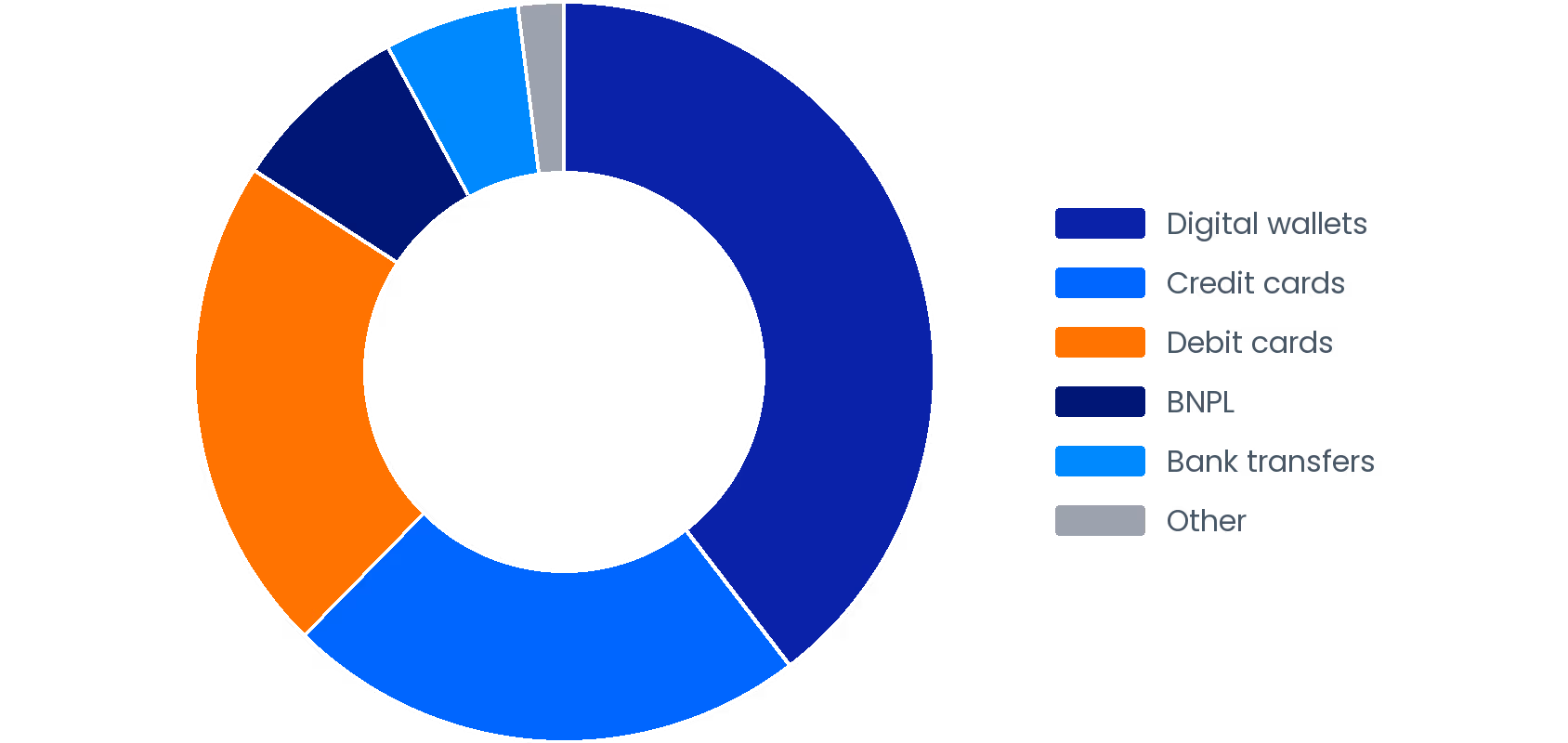
Digital wallets lead UK e-commerce at 40% in 2025. Credit cards hold 23% and debit cards 22%, making cards the second-largest combined category at 45%. BNPL holds 8% — above the global average. Together, wallets and cards cover 85% of UK online transaction volume. UK's 2025 payment breakdown:
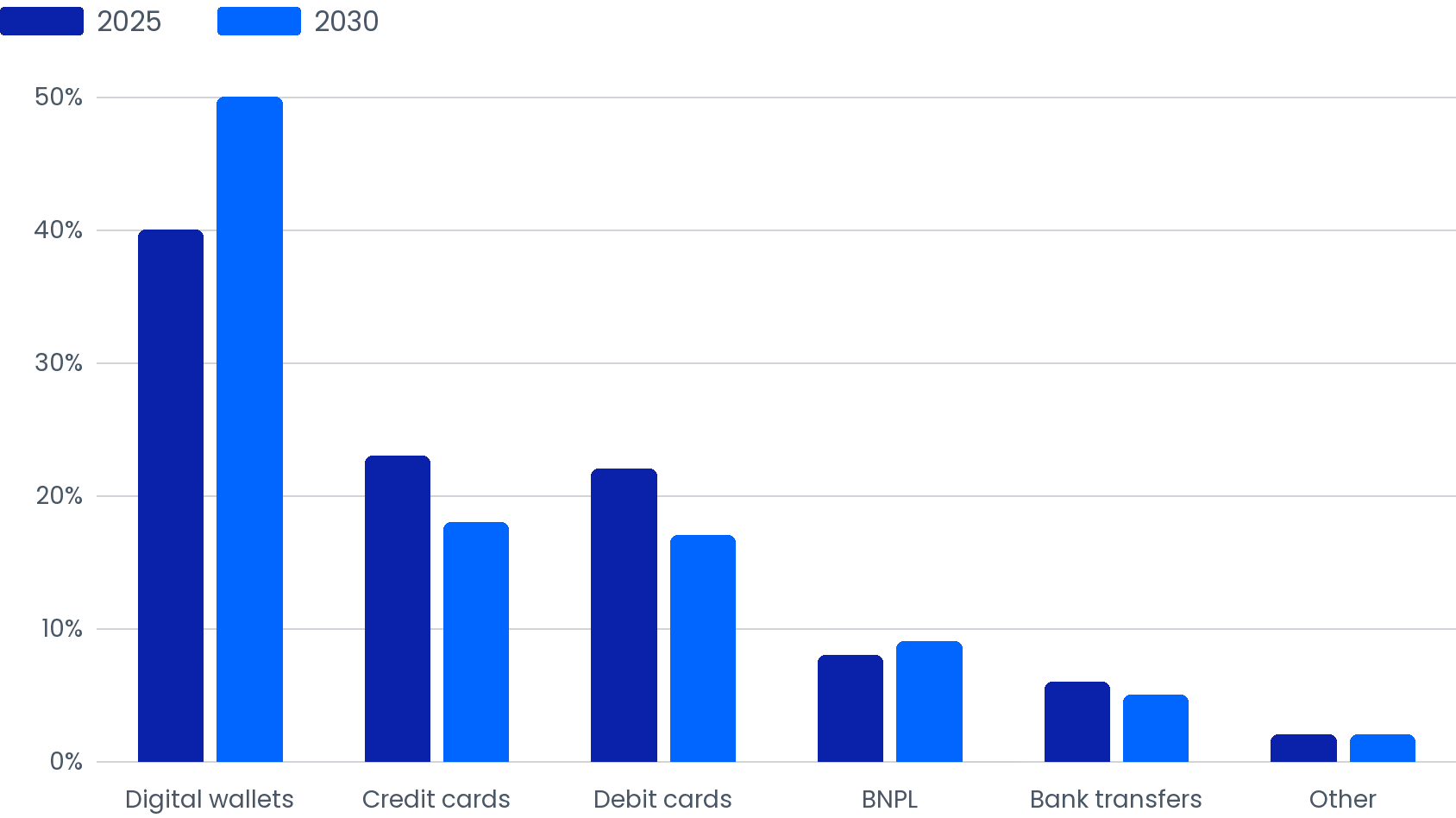
Digital wallets — 40%, rising to 50% by 2030. Apple Pay, Google Pay, and PayPal dominate. Wallet authentication via device biometrics satisfies SCA natively — reducing checkout friction versus card-only flows.
Credit cards — 23%, projected ~18% by 2030. Visa leads, followed by Mastercard. From April 2025, Visa's VAMP (Visa Acquirer Monitoring Program) removed the minimum dispute threshold and expanded to non-fraud disputes — increasing compliance obligations on UK Visa card transactions.
Debit cards — 22%, projected ~17% by 2030. Broadly stable but declining as wallet adoption grows. UK-issued debit cards are typically enrolled in 3DS2 (3-D Secure version 2) — ensure your gateway supports frictionless flow or SCA challenges will raise abandonment.
BNPL — 8%, rising to 9% by 2030. Klarna and Afterpay lead alongside UK-domestic platforms Zilch and Laybuy. BNPL providers pay merchants the full order amount upfront; the consumer repayment risk sits with the provider.
Bank transfers — 6%, projected 5% by 2030. Powered by Open Banking A2A (Account-to-Account) infrastructure. Irrevocable once initiated — no chargeback exposure — and preferred for high-value purchases and recurring billing.
UK E-commerce Payment Share 2025
How Digital Wallets, Cards, and Open Banking Work for Merchants in the UK
The UK payment landscape is shaped by two regulatory forces: SCA requirements under PSD2 (Payment Services Directive 2) and Visa's VAMP expansion from April 2025. The table below covers key platforms, SCA compliance implications, and the settlement and chargeback behavior for each method. For merchants encountering elevated UK card disputes or VAMP compliance thresholds, multi-rail routing and chargeback management addresses both the authorization and dispute sides of UK card risk.
Payment Method | Key Platforms | Approx. Share | What Merchants Should Know |
|---|---|---|---|
Digital wallets | Apple Pay, Google Pay, PayPal | ~40% | Apple Pay and Google Pay authenticate via device biometrics — they satisfy SCA natively and do not require a separate authentication step, reducing friction and abandonment versus card-only flows. |
Credit cards | Visa, Mastercard | ~23% | Visa's VAMP (active April 2025) removes the minimum dispute threshold and counts non-fraud chargebacks — merchants with high return rates should audit dispute handling before launch in the UK. |
Debit cards | Visa Debit, Mastercard Debit | ~22% | UK-issued debit cards are typically enrolled in 3DS2 — ensure your gateway supports the frictionless flow or SCA challenges will interrupt low-risk debit transactions and raise cart abandonment. |
BNPL | Klarna, Afterpay, Zilch, Laybuy | ~8% | BNPL providers settle the full order amount to the merchant immediately upon approval — zero chargeback exposure for the sale itself; consumer repayment risk sits with the BNPL provider. |
Bank transfers | Open Banking / A2A rail | ~6% | Irrevocable once initiated — no chargeback mechanism — which eliminates friendly fraud exposure on high-value or subscription orders where card chargebacks are most costly. |
How the UK's Payment Mix Will Shift by 2030
Digital wallets grow from 40% to 50% by 2030 as Apple Pay and Google Pay deepen card-binding adoption. Credit cards ease from 23% to 18%; debit cards from 22% to 17% as card credentials migrate into wallet layers. BNPL grows from 8% to 9%. For merchants configuring checkout to reflect this wallet-dominant trajectory, the payment method quadrant framework provides a placement model that accounts for the UK's overlapping wallet-card relationship and BNPL uplift role.
UK Payment Method Share: 2025 vs 2030